After more than two decades of planning, revisions, and community input, The Corbin District in Darien CT is no longer a vision—it’s becoming the defining feature of downtown Darien, CT.
From our perspective working across lower Fairfield County, it’s rare to see a project evolve this deliberately—and even rarer to see one stay so grounded in the identity of the community it serves.
For developer David Genovese of Baywater Properties, that was the point from the beginning. A Darien native, Genovese approached the project with a long-term lens: not how to change downtown, but how to make it work better.
A Curated Approach That Reflects the Market
One of the most notable aspects of The Corbin District is its office & retail leasing strategy.
Instead of taking a passive approach, the development team was highly selective—seeking out businesses that align with Darien’s lifestyle, demographics, and long-term growth. That kind of intentional curation is something we’re seeing more frequently in successful mixed-use environments, particularly in markets where experience matters as much as convenience.
The result is a balanced mix of office, dining, boutique retail and wellness-focused tenants—rather than an over-reliance on any single category. From a commercial real estate standpoint, that diversity is critical. It drives foot traffic at different times of day and creates a more resilient tenant ecosystem.
Office Space in a Post-Pandemic Market
Office leasing continues to evolve, but one trend is clear: location and experience matter more than ever.
Companies are increasingly prioritizing environments that offer walkability, amenities, and a sense of place. In that context, downtown Darien is well-positioned.
With proximity to the Darien train station, access to I-95, and a growing mix of dining and retail options, The Corbin District provides the kind of setting that supports employee engagement and retention—something many companies are actively seeking.
Strong Market Response
Leasing activity to date has been strong, where a significant portion of the space is already committed. Office leasing is progressing, reinforcing the demand for well-located, amenity-rich environments even as the broader office market continues to adjust. Many of the retail businesses are locally owned, with a strong representation of women-led brands.
From our perspective, that mix adds another layer of authenticity to the project—something that is increasingly important in differentiating suburban downtowns.
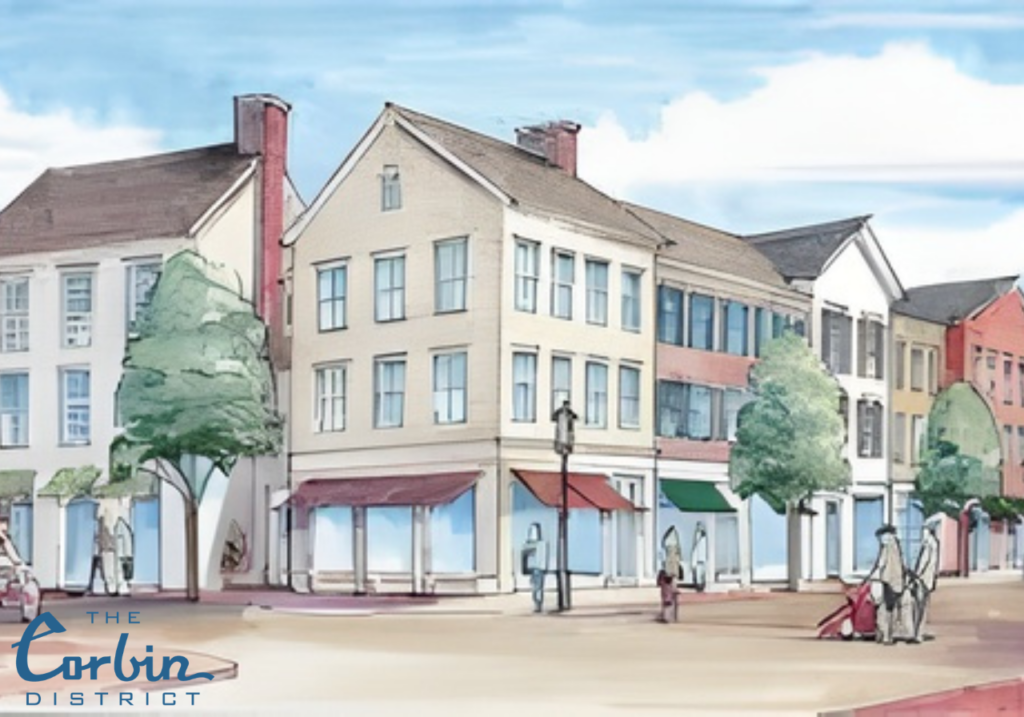
The Corbin District in Darien CT is Designed to Fit—Not Stand Out
In many suburban markets, large-scale developments can feel disconnected from their surroundings. That’s not the case here.
Working with architect Bruce Beinfield, the team designed each building within the district to have its own identity. The goal wasn’t to create a uniform, master-planned aesthetic, but rather something that feels like it developed organically over time.
That approach aligns with what both tenants and consumers are looking for today—authenticity. In our experience, environments that feel overly manufactured tend to struggle with long-term engagement, while those that reflect a sense of place tend to perform more consistently.
Placemaking That Drives Performance
The Corbin District also reflects a broader industry shift toward placemaking as a core investment strategy.
With input from urban retail planner Bob Gibbs, the project incorporates details that directly influence how people move through and interact with the space. From pedestrian flow to storefront visibility, these design decisions are not just aesthetic—they’re functional drivers of retail success.
Equally important is the level of community engagement behind the project. Feedback from local residents and boards has been integrated throughout the process, helping ensure that the final product aligns with how people actually want to use downtown.
Residential Density Changes Everything
From a market perspective, one of the most impactful components of The Corbin District is the inclusion of residential units above the retail.
By integrating over 100 residential units into the development, the district benefits from a steady, built-in customer base. That translates to stronger support for retailers, increased evening and weekend activity, and a more stable overall environment.
It’s the difference between a place people visit occasionally and one they use every day.
Walkability Without Sacrificing Access
Another strength of the project is how it balances walkability with the realities of suburban access.
Parking is thoughtfully integrated into structured and underground garages, allowing the streetscape to remain pedestrian-friendly. During the warmer months, portions of the district will shift into car-free zones, creating opportunities for outdoor dining, events, and community programming.
From a usability standpoint, that flexibility is key. It allows the space to adapt throughout the year while maintaining a consistent experience for both tenants and visitors.
A Tenant Mix Built for Today’s Consumer
The leasing momentum at The Corbin District reflects a clear understanding of what today’s consumer is looking for.
Rather than focusing solely on traditional retail, the district brings together a mix of:
- Dining concepts ranging from casual to experiential
- Boutique and lifestyle-driven retail
- Wellness and fitness operators
- Service-oriented businesses that support daily routines
Wellness, in particular, stands out as a major theme. The clustering of fitness and wellness concepts creates a destination in its own right—encouraging repeat visits and longer dwell times, both of which are key indicators of retail success.
A Long-Term Investment in Downtown Darien
What makes The Corbin District stand out isn’t just the scale of the project—it’s the level of thought behind it.
This is not a development designed for short-term impact. It’s been shaped over decades, informed by market shifts, community feedback, and a clear understanding of what makes downtown Darien unique.
As the project continues to come online, it has the potential to redefine how suburban downtowns function—blending retail, residential, wellness, and office into a cohesive, experience-driven environment.
From where we sit, it’s a strong example of where the market is heading—and what successful mixed-use development looks like when it’s done right.